KIFN Fellows
The Kavli Institute for Fundamental Neuroscience at UCSF is excited to announce our first class of KIFN Fellows. These seven scholars have received funding to further their fundamental research.
Ryan Alexander, PhD
Project: RGK proteins regulate transmitter release via presynaptic dopamine signaling
Bio: Ryan was born in Edmonton, Canada where he received his BSc from the University of Alberta in 2010. After an MSc at Ludwig-Maximilians University in Munich, Germany, he completed his doctorate back in Canada at McGill University in Montreal investigating firing rate plasticity in cerebellar interneurons with Derek Bowie. He joined Kevin Bender’s lab at UCSF as a postdoctoral scholar to continue exploring the intersection of ion channel biophysics and neuromodulation. Currently he is interested in how dopamine controls presynaptic calcium channel gating modes. Outside the lab he enjoys movies, live music, and burritos.
Member of the Bender lab
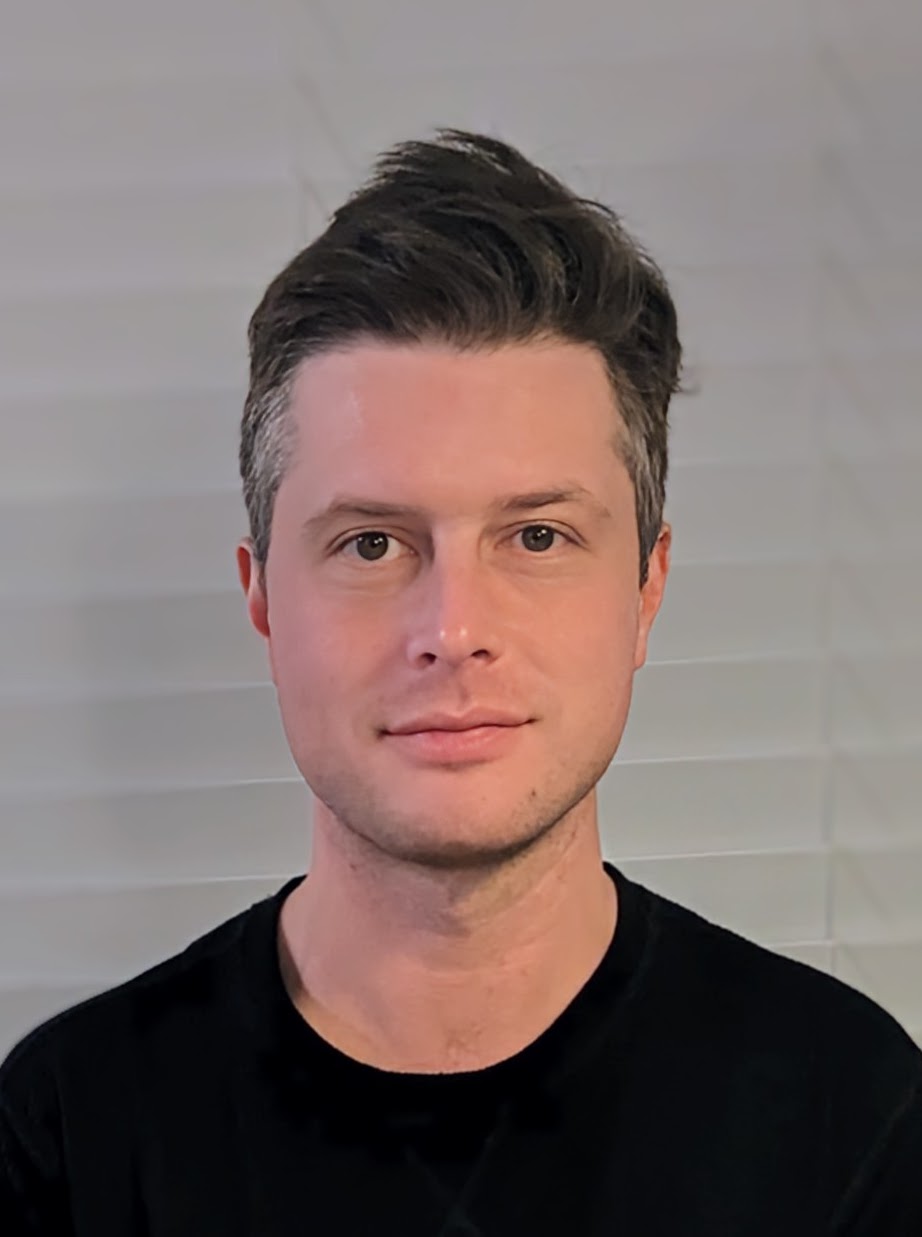
Kevin Lee, PhD
Project: Connectomics of Primary Mouse Visual Cortex: Linking Cell Types to Functional Connectivity via Barcoded Rabies Tracing and Patch-seq
Bio: Kevin Lee is a Specialist in the Department of Neurological Surgery at UCSF in the Cadwell Lab. He completed his PhD at the University of Auckland, New Zealand, with Dr. Johanna Montgomery, studying synaptic dysfunction in in vitro models of autism. During his postdoctoral training, he investigated the efficacy of dietary zinc intervention on reversing autism-associated deficits in vivo. At UCSF, Kevin studies the connectomics of the mouse visual cortex, linking neuronal cell types with functional connectivity. Outside the lab, he enjoys cooking, reading, and watching soccer.
Member of the Cadwell Lab
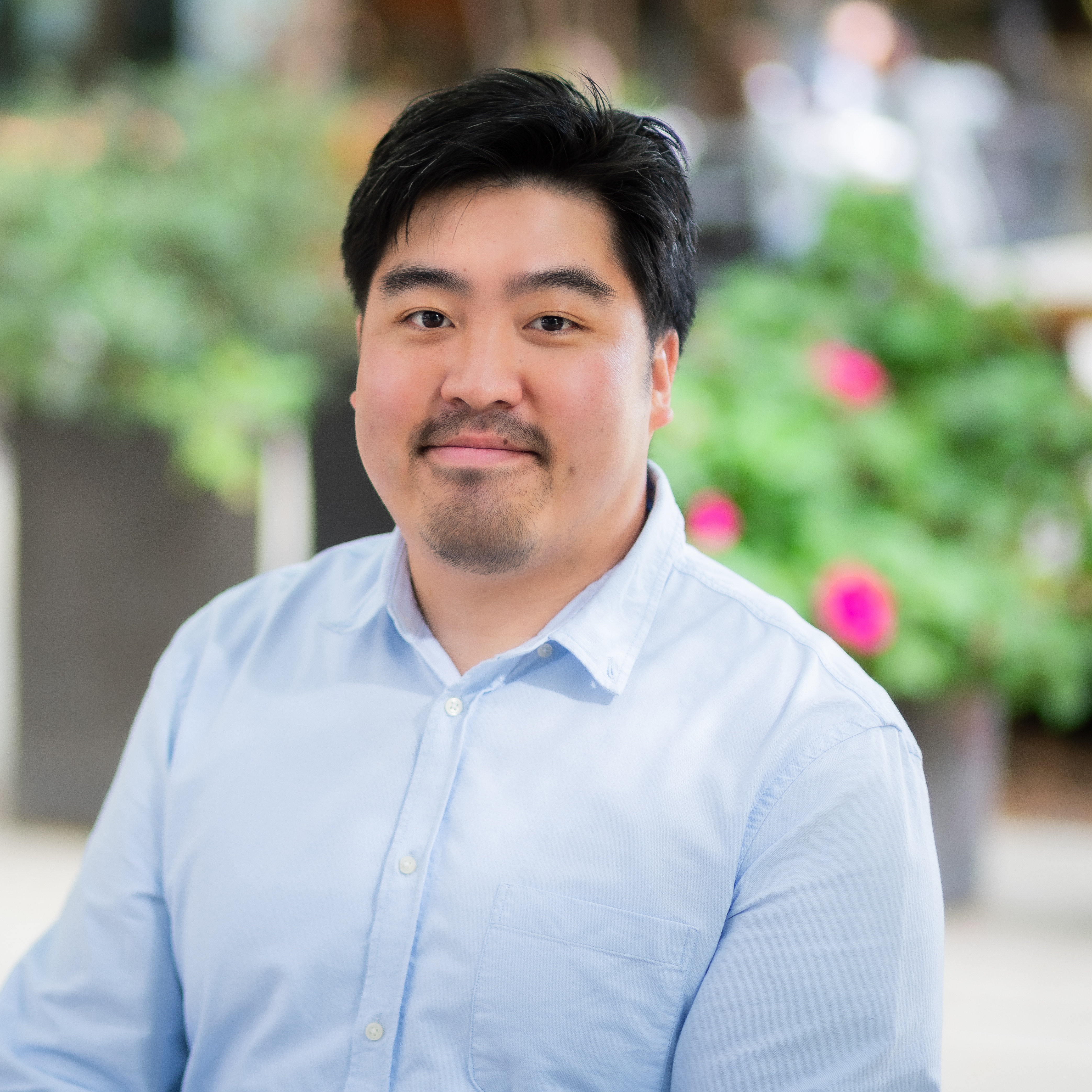
Kanishka Basnayake, PhD
Project: Modeling the effects of synaptic homeostasis on neuronal network dynamics
Bio: Kanishka obtained a Bachelor of Engineering in biophysical systems from Osaka University, Japan. He completed an MSc focused on computational neuroscience at the Swiss Federal Institute of Technology in Lausanne (EPFL), Switzerland. His PhD research in synaptic biophysics and calcium regulation was conducted at the École Normale Supérieure in Paris, France. After joining the group of Christoph Kirst at UCSF, he has been using computational approaches to study synaptic transmission, homeostatic plasticity and the effects of neurodegeneration on neuronal networks. Outside of research, he enjoys travel, photography, and chess.
Member of the Kirst Lab
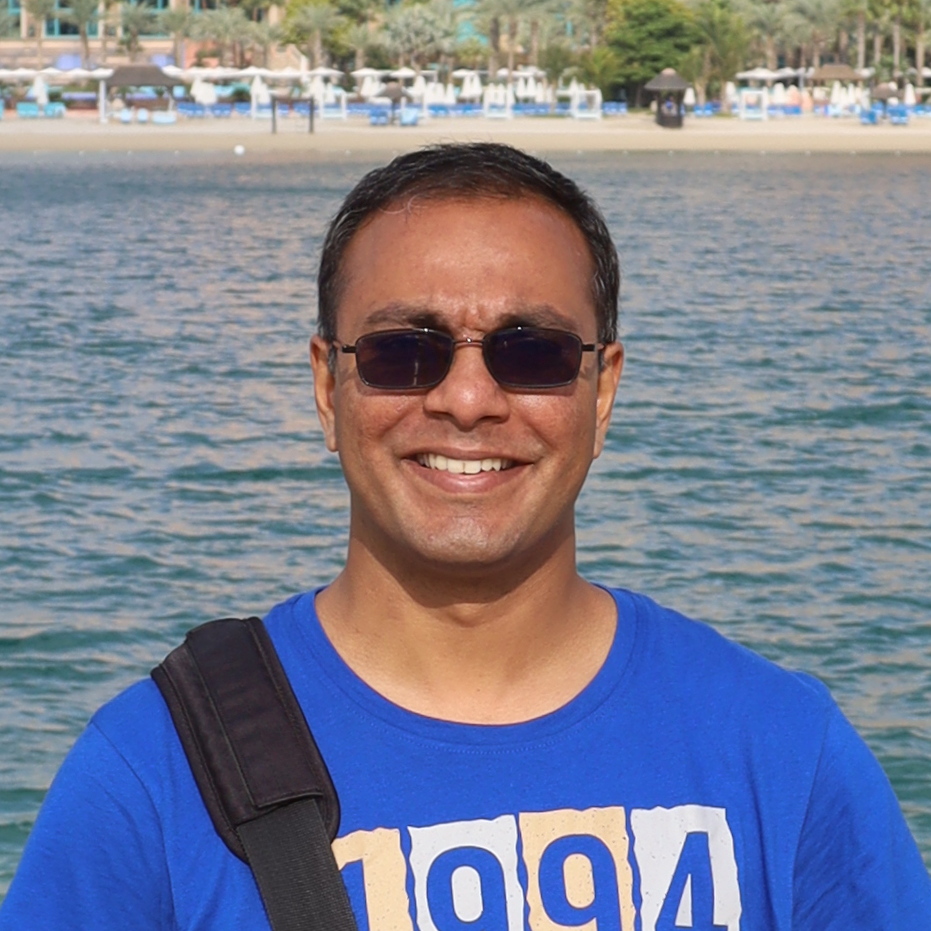
Mark M. Gergues, PhD
Project: Paraventricular thalamus gates hippocampal coding of salient experiences
Bio: Mark earned his undergraduate degree in Cell Biology & Neuroscience, Psychology, and Cognitive Science at Rutgers University. There, he worked in Dr. Benjamin Samuels' lab, studying the molecular signatures of antidepressant responsiveness, and in Dr. Kasia Bieszczad’s lab, where he studied the epigenetic control of long-term memory formation. He then pursued his PhD at UCSF in the neuroscience program, working in the Kheirbek Lab to understand extrahippocampal organization and function in anxiety-related contexts. His current work focuses on how the thalamus influences the ventral hippocampus's encoding of appetitive and aversive stimuli.
Member of the Kheirbek Lab
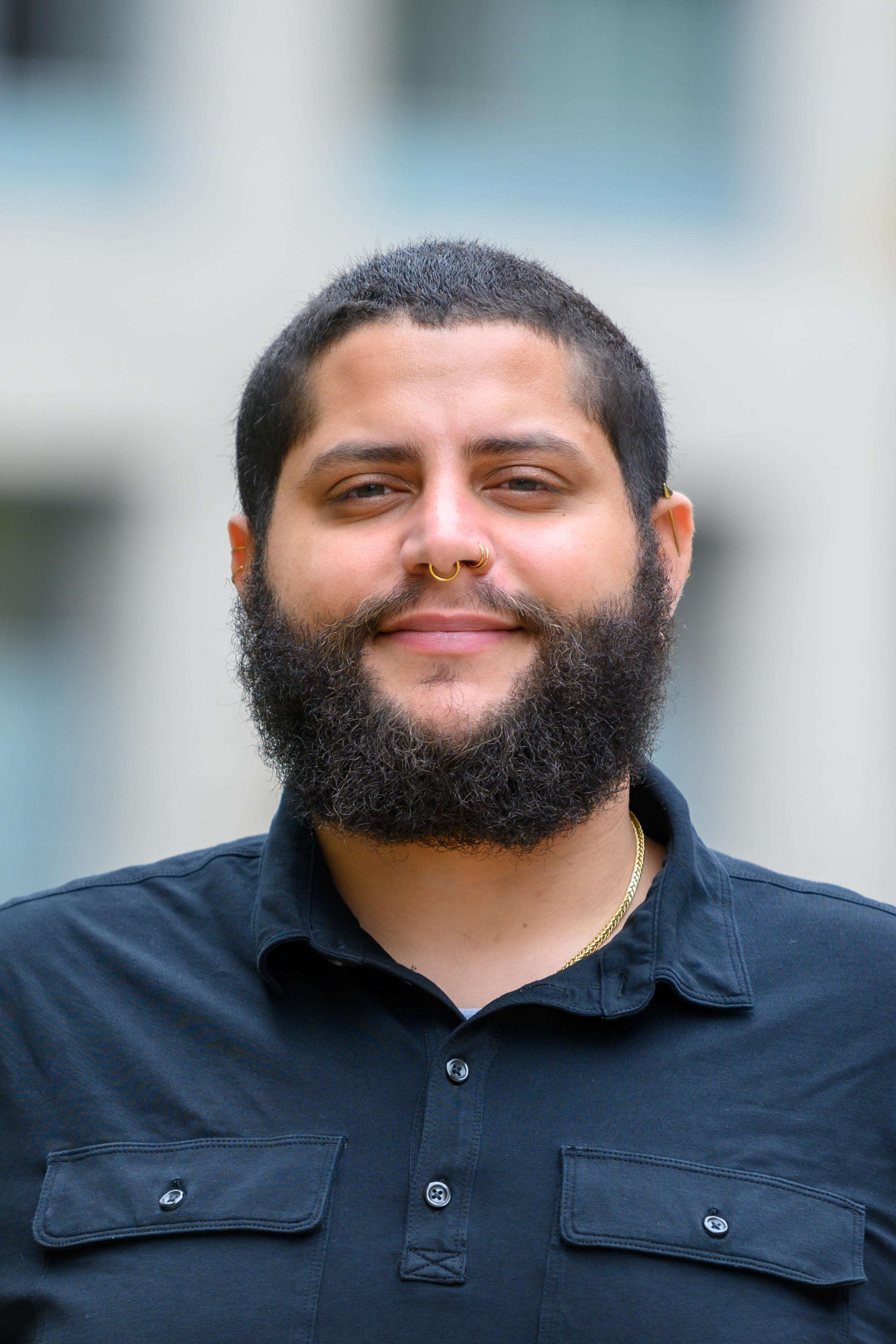
Xiaofan Zhang, PhD
Project: Mechanism of neuron-glia interaction underlying dopamine neuron axon degeneration
Bio: Xiaofan is a postdoctoral scholar in Dr. Yuh Nung Jan’s lab at UCSF, where he studies the mechanisms of neuron–glia interactions underlying dopamine neuron degeneration. More broadly, he is interested in how neuron–glia interactions shape neural development, degeneration, and regeneration, with the goal of advancing our understanding of neurodevelopmental and neurodegenerative disorders. Before joining the Jan lab in 2022, Xiaofan investigated the neural mechanisms of learning and forgetting in the Drosophila olfactory system in Dr. Ronald Davis’s lab at The Scripps Research Institute. Outside the lab, Xiaofan enjoys traveling, fishing, and handcrafting.
Member of the Jan Lab
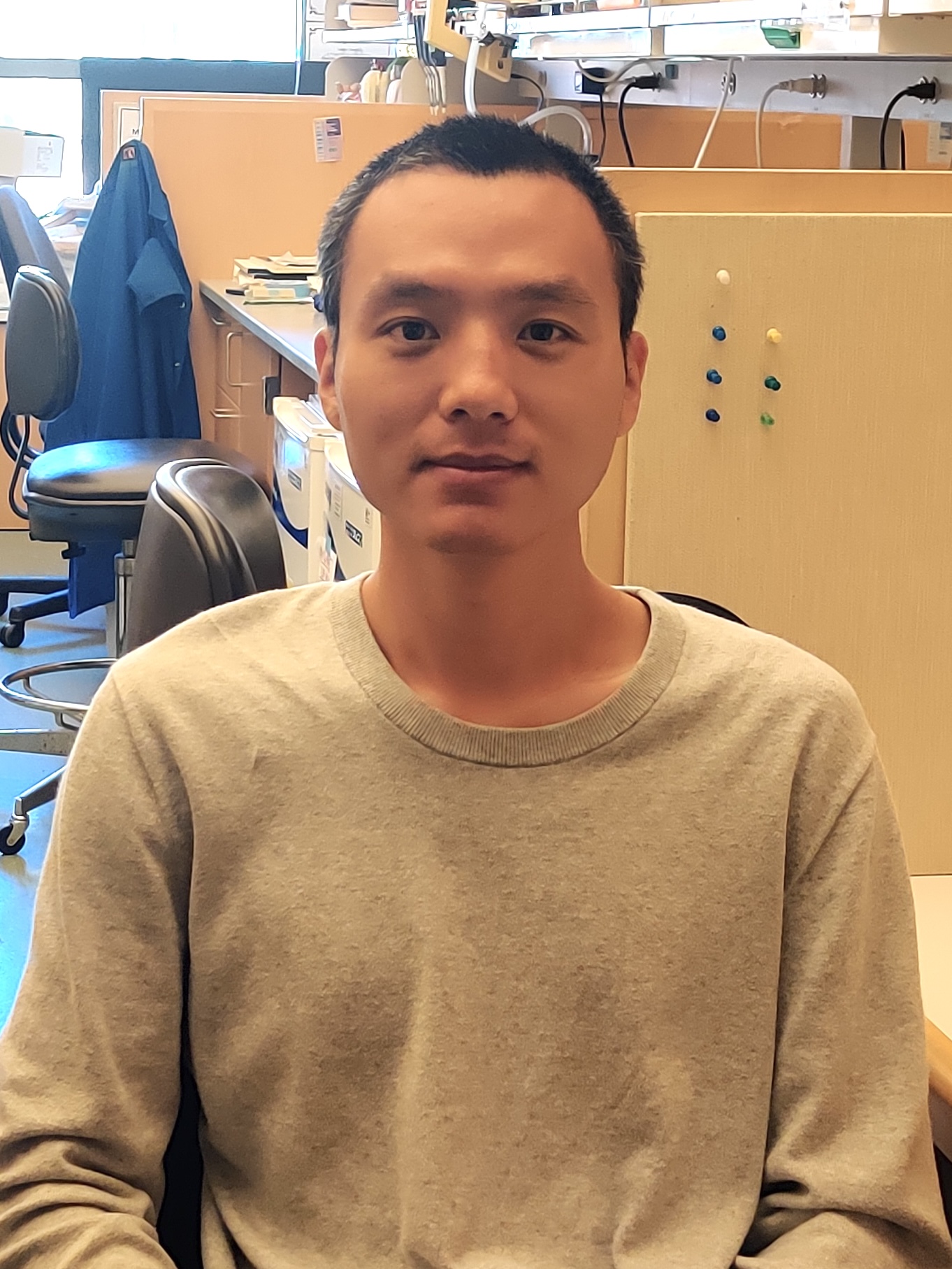
Binod Aryal, PhD
Project: Dynamic Regulation of the Homeostatic Setpoint for Motivated Behaviors
Bio: Aryal is a postdoctoral research scholar in the Department of Anatomy at the University of California, San Francisco. His Postdoctoral research focuses on the cellular and molecular mechanisms of homeostatic setpoints, especially how the brain acutely resets the protein intake setpoint in response to circadian timing, and how it programs a sleep setpoint. This projects combines neuroscience, physiology, and metabolic biology and may uncover novel regualtory nodes that, wheh distrupted, contributes to sleep, and eating disorders, as well as neurological diseases. Aryal received my Ph.D. in Molecular Genetics from Kookmin University, South Korea, and his research integrates genetics, electrophysiology, imaging, and quantitative behavioral assays.
Member of the Liu Lab
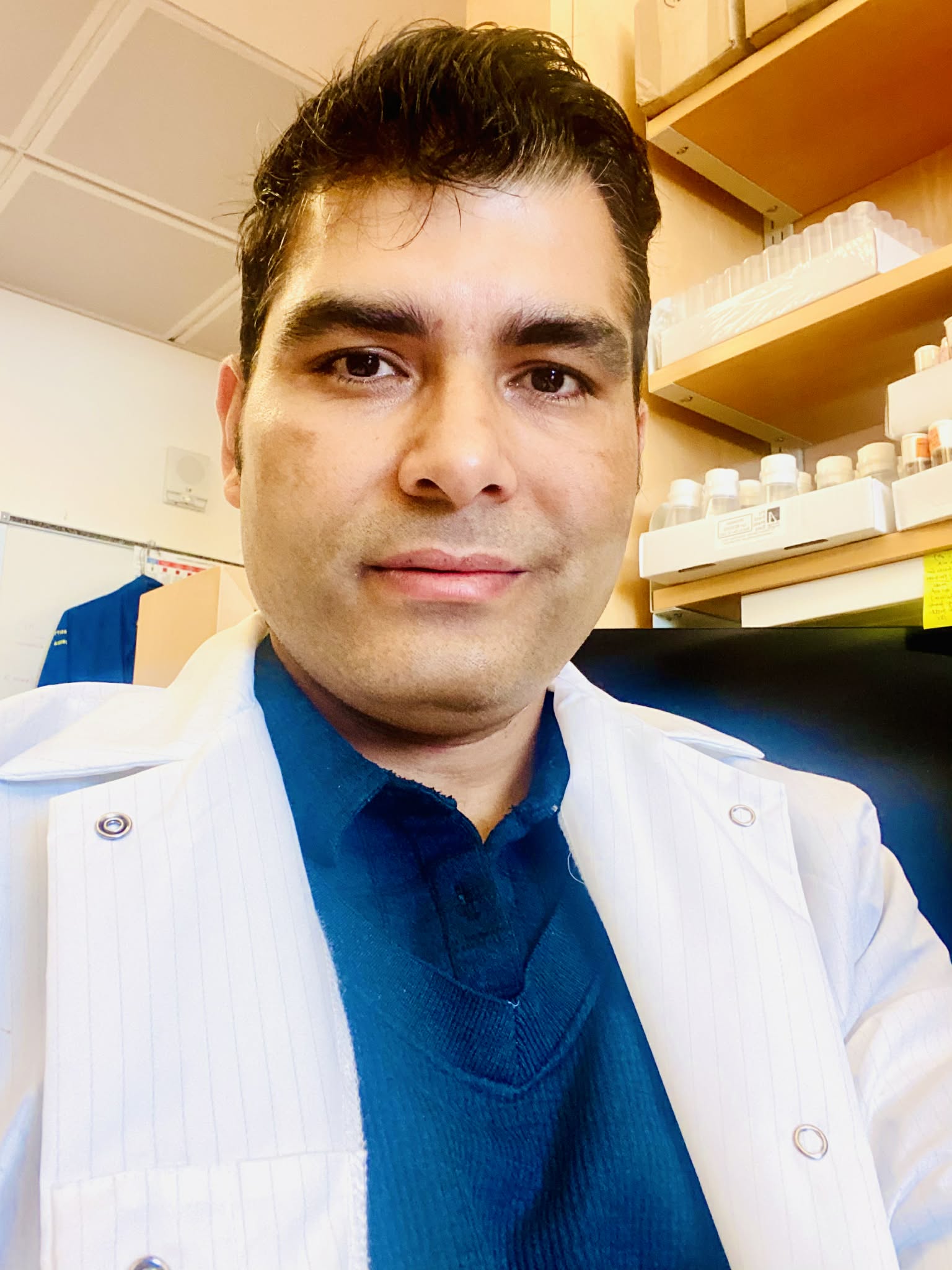
Laura Persson PhD
Project: A novel sensory system enables long-range detection of water via electromagnetic cues
Bio: As an undergraduate at Harvard University, Laura majored in Cell and Molecular Biology and worked in Rosalind Segal's lab at Harvard Medical School. There she studied olfactory system development and adult neurogenesis in mice. Her PhD with Onn Brandman at Stanford University took her in a new direction, focusing on the biophysics of cellular stress responses in yeast. As a postdoc in Noelle L'Etoile's lab at UCSF, Laura once again returned to neuroscience, this time with a biophysical lens. As a postdoc, she uncovered a novel type of water-sensing system in the nematode, C. Elegans, in which the organisms detect distant water sources through electromagnetic cues arising from ion flow. Outside of lab, Laura is a member of UCSF Improv, and enjoys skiing, reading, and teaching her cats new tricks.
Member of the L'Etoile Lab